Reliable commercial air conditioning helps businesses maintain comfortable temperatures, protect equipment and create a better environment for staff and visitors. HoulkAir provides commercial air conditioning in Salford for offices, retail premises, hospitality venues, industrial sites and other commercial buildings.
From initial design through to system installation, planned maintenance and repairs, our team provides practical support at every stage. Each project begins with a site survey so we can recommend the right cooling capacity, system type and level of temperature control for your premises.
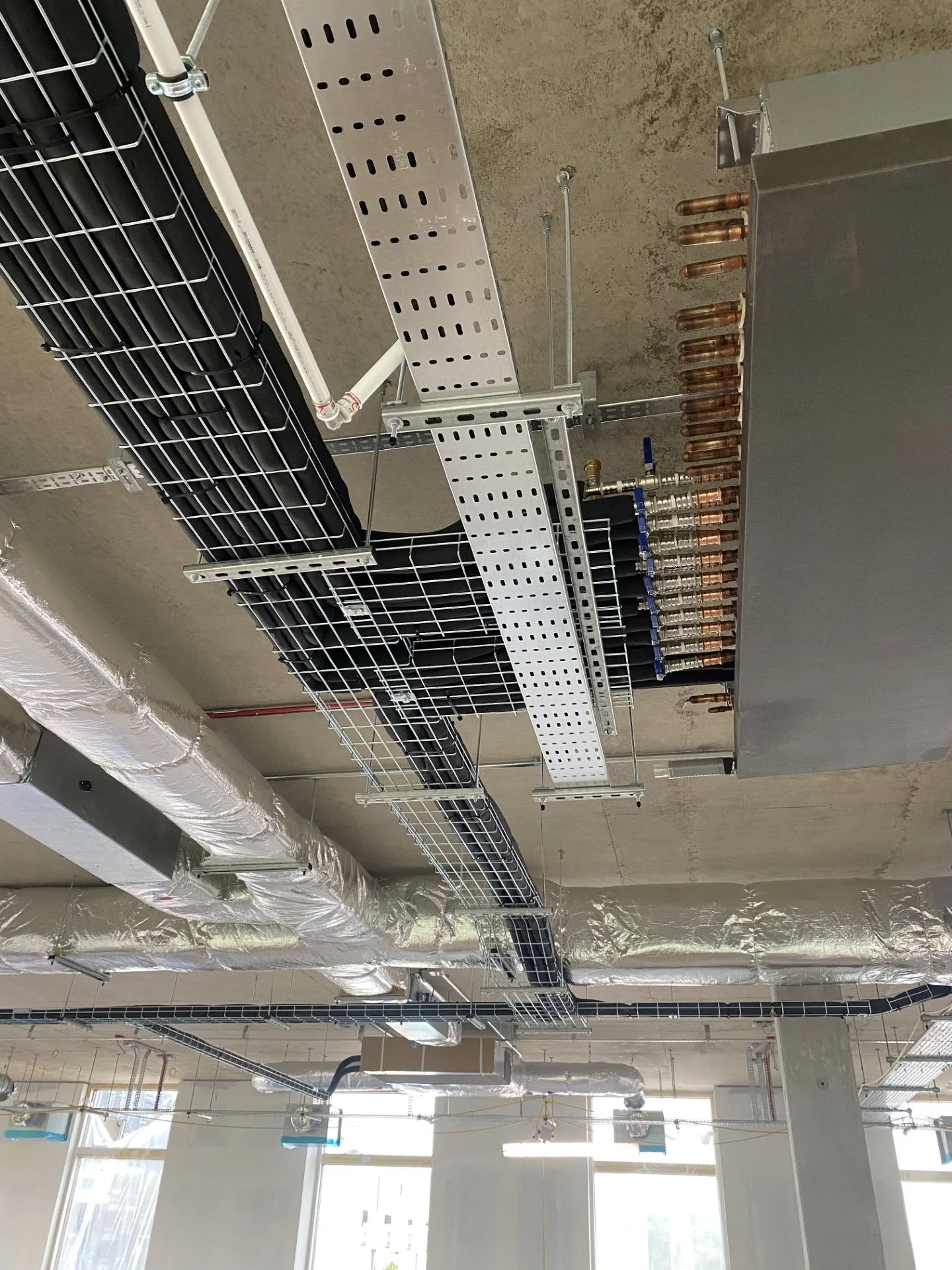
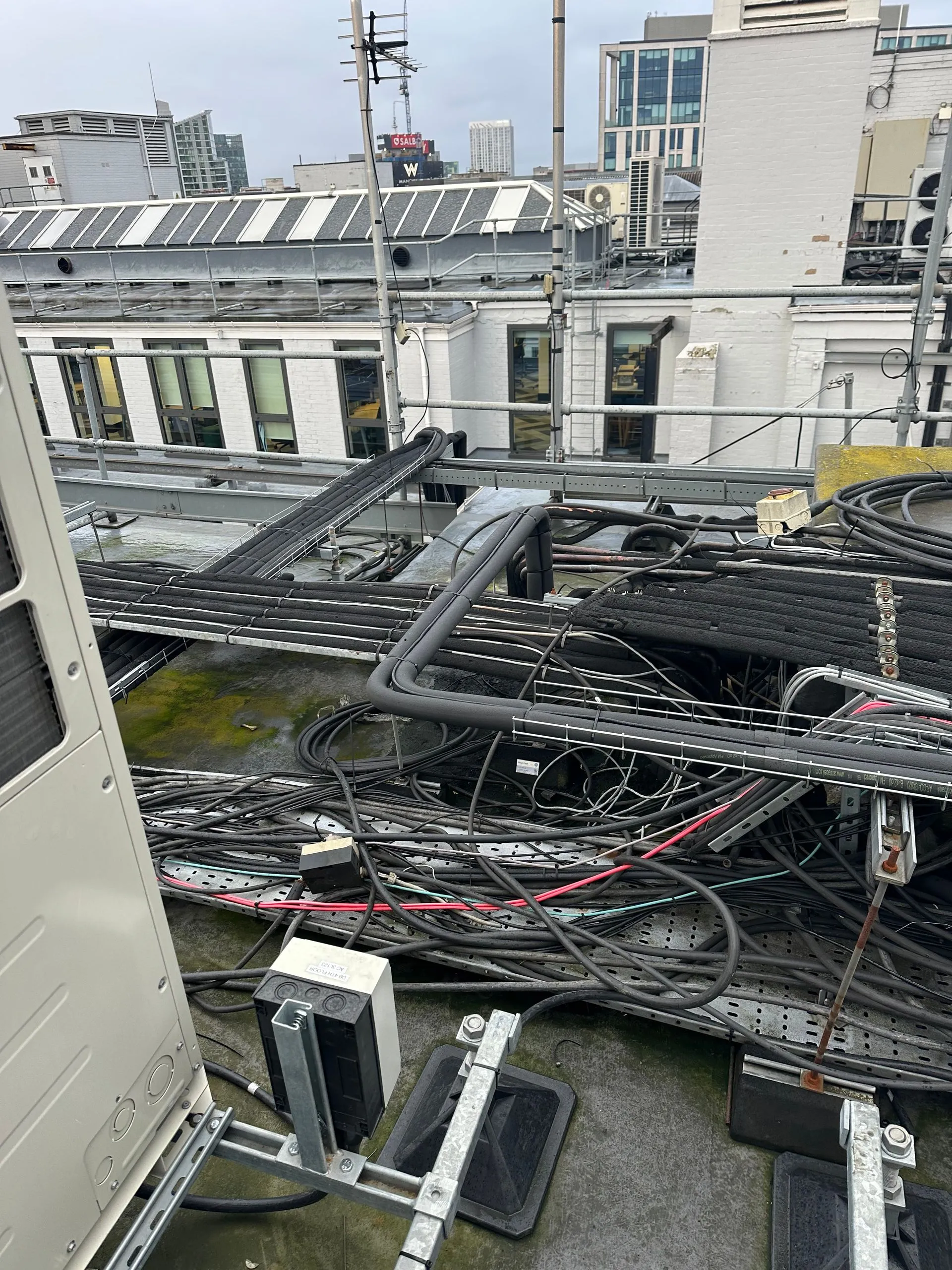
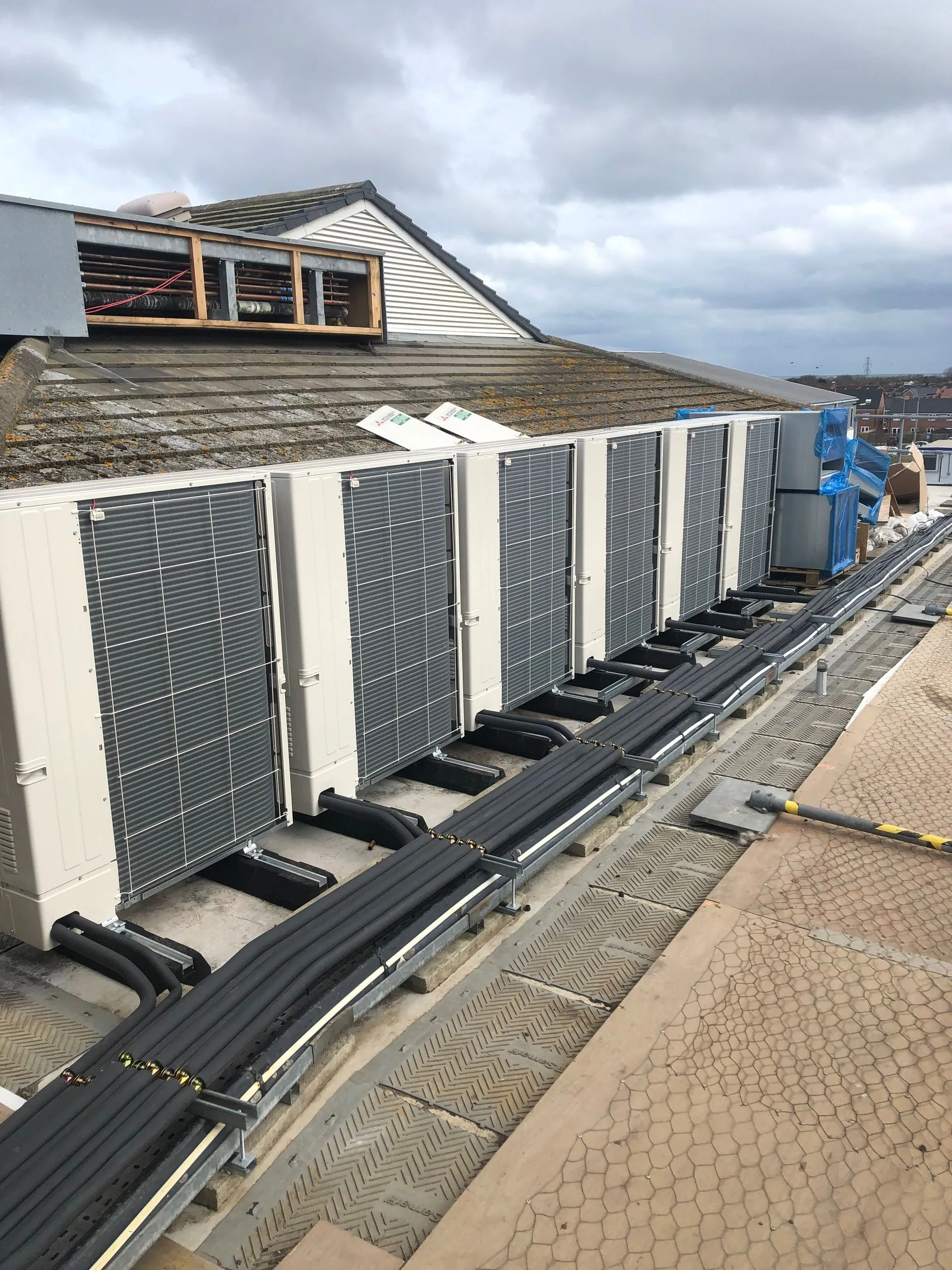
Commercial Air Conditioning Designed Around Your Business
No two commercial buildings have exactly the same cooling requirements. Room size matters, but so do occupancy levels, heat-generating equipment, opening hours and the layout of the space.
HoulkAir assesses these factors before recommending any air conditioning units. This helps avoid systems that are too small to cope with demand or unnecessarily oversized for the building. The result is more reliable commercial cooling and better energy efficiency over the long term.
Commercial Air Conditioning Installation in Salford
Our engineers install HVAC systems for new developments, refurbishment projects and existing commercial premises. We can also replace outdated equipment where performance has declined or running costs have become difficult to justify.
Depending on the building, we may recommend:
- Wall-mounted split systems for individual rooms
- Multi-split systems serving several areas
- Ceiling cassette units for open-plan spaces
- Ducted systems where discreet air distribution is required
- VRF systems for larger commercial buildings with multiple temperature zones
Every system installation is planned around access, electrical requirements, pipe routes and the location of indoor and outdoor equipment.
Commercial Cooling for Offices
Office cooling needs to provide stable comfort without creating noise, draughts or noticeable temperature differences between work areas. Open-plan offices, meeting rooms and server spaces may all require different levels of temperature control.
HoulkAir can design zoned systems that allow selected areas to operate independently. This avoids cooling unused rooms and gives businesses greater control over energy use throughout the working day.
Air Conditioning for Retail Premises
Retail premises can experience rapid changes in temperature due to customer numbers, lighting, display equipment and frequently opened doors. An unsuitable system may struggle during busy periods or create uncomfortable cold spots.
We install commercial air conditioning that responds effectively to changing demand. Careful positioning of air conditioning units also helps maintain comfortable airflow without disrupting displays, customer movement or staff workstations.
Systems for Hospitality and Leisure Venues
Restaurants, bars, hotels and leisure facilities often deal with high occupancy and significant internal heat. Kitchens, lighting and equipment can increase cooling demand well beyond what floor area alone would suggest.
Our engineers assess how each part of the venue is used before calculating the required cooling capacity. Separate controls can then be used for dining areas, reception spaces, gyms, bedrooms or other zones with different operating patterns.
Commercial Air Conditioning for Industrial Sites
Factories, workshops and warehouses may require climate control for staff comfort, process stability or temperature-sensitive stock. Dust, long operating hours and heat from machinery can place additional pressure on HVAC systems.
HoulkAir recommends durable commercial cooling solutions suited to the environment. Where ventilation systems already exist, we will also consider how they interact with the proposed air conditioning to avoid inefficient or conflicting operation.
Working Around Your Operations
Commercial system installation often takes place while a building remains occupied. Careful planning is therefore essential to reduce disruption and maintain safe access.
Where possible, work can be phased or arranged around quieter periods. Our team coordinates with site managers, tenants and other contractors so that installation progresses smoothly without unnecessary downtime.
Planned Maintenance for Commercial Systems
Planned maintenance helps preserve energy efficiency, reduce breakdown risk and extend the working life of air conditioning units. It also gives engineers the opportunity to identify developing faults before they affect day-to-day operations.
A planned maintenance visit may include:
- Cleaning filters and internal components
- Inspecting electrical connections
- Checking condensate drainage
- Testing controls and system performance
- Inspecting refrigerant levels
- Reviewing airflow and temperature output
- Reporting any recommended repairs
Maintenance frequency should reflect the type of system, its operating hours and the environment in which it is installed.
Commercial Air Conditioning Servicing
Regular air conditioning servicing supports consistent performance and helps maintain indoor air quality. Dirty filters, restricted airflow and worn components can all cause a system to work harder than necessary.
HoulkAir provides servicing for a range of commercial HVAC systems. Following each visit, we can explain any issues found and recommend practical next steps rather than replacing components without clear justification.
Commercial Air Conditioning Repairs in Salford
A fault in a commercial system can quickly affect staff comfort, customer experience or equipment temperatures. Fast and accurate fault diagnosis is important because similar symptoms can have very different causes.
Common signs that a system requires attention include:
- Poor or uneven cooling
- Reduced airflow
- Water leaking from an indoor unit
- Unusual noises or smells
- Unexpected increases in energy use
- Units switching off without warning
- Error codes appearing on controls
Our engineers identify the cause of the problem before recommending repair work. You will receive a clear explanation of the fault and the likely cost before additional work begins.
Repair or Replacement?
Repairing an existing system can be the right choice where the fault is isolated and suitable parts remain available. Replacement may offer better value when breakdowns are frequent, equipment is inefficient or the current system no longer suits the building.
HoulkAir considers the age, condition and refrigerant type of the equipment alongside repair costs and future reliability. This gives you a clearer basis for deciding whether to keep the system in service or invest in an upgrade.
Energy-Efficient Heating and Cooling
Many modern commercial air conditioning systems can provide heating as well as cooling. Reverse-cycle technology allows the same equipment to transfer heat into the building during colder periods.
Inverter-controlled systems can also adjust output to match demand rather than operating at full capacity continuously. Combined with sensible zoning and accurate controls, this can improve energy efficiency and reduce avoidable consumption.
Commercial Air Conditioning Across Salford
Salford includes a broad mix of modern office developments, retail destinations, hospitality venues and older commercial buildings. Premises around Salford Quays and MediaCity can have very different installation requirements from converted industrial properties in Eccles, Pendleton or Swinton.
Limited outdoor space, landlord approval, access restrictions and noise considerations may all affect the design. Our local survey process allows these issues to be identified before work begins, reducing the likelihood of delays later in the project.
Areas We Cover
HoulkAir provides commercial air conditioning across Salford and surrounding areas, including:
- Salford Quays
- MediaCity
- Eccles
- Ordsall
- Swinton
- Pendleton
- Walkden
- Worsley
- Irlam
Businesses outside these areas can also contact us to discuss coverage.
Why Choose HoulkAir?
Commercial customers need more than a company that can fit equipment. They need clear advice, careful planning and support after installation.
HoulkAir provides:
- Free, no-obligation site surveys
- Commercial system design and installation
- Support for split, multi-split and VRF systems
- Planned maintenance and air conditioning servicing
- Professional fault diagnosis and repairs
- Clear quotations before work begins
- Installation planning designed to minimise disruption
Our Commercial Air Conditioning Process
We keep the process straightforward from the first enquiry through to handover.
- Initial discussion
We establish what the building is used for, the current issue and your preferred timescale. - Site survey
Our engineers assess the layout, occupancy, heat sources and suitable equipment locations. - System recommendation
We explain which type of commercial air conditioning is best suited to the premises. - Quotation
You receive a clear proposal covering equipment and installation work. - Installation and commissioning
The system is installed, tested and configured for efficient operation. - Handover and support
We explain the controls and discuss future servicing requirements.
Frequently asked questions
Our friendly team are always happy to help.
How much does commercial air conditioning in Salford cost?
The cost depends on the size of the premises, required cooling capacity, number of rooms and type of system. Access, electrical work and pipe routes can also influence the final price. A site survey is the most reliable way to receive an accurate quotation.
Which system is best for a commercial building?
The best option depends on the layout and how the building is used. Split systems can suit individual rooms, while multi-split or VRF systems provide greater flexibility across several zones. Ducted systems may be preferred where appearance and discreet airflow are priorities.
How often should commercial air conditioning be serviced?
Many commercial systems should be serviced at least once a year. Equipment used heavily, installed in demanding environments or relied upon for critical cooling may need more frequent visits.
Can commercial air conditioning provide heating?
Yes. Many modern systems operate as heat pumps and provide both heating and cooling. Suitability depends on the building, heating demand and existing equipment.
Can installation take place while our business remains open?
In many cases, yes. Work can often be phased or scheduled around quieter periods. This will depend on access, safety requirements and the size of the installation.
